
Specialize for Specific Targets
Audio Reflections on Key Competency 2
Key Competency:Target learners’ needs & engage interest with innovative multimedia production, digital storytelling, New Media, & professional editing/voiceover techniques |
Metaphorical Equivalency:Attain wellness goals by targeting muscle groups & joints as needed with exercise programs & cross training strategies that are carefully planned & implemented |
Meet the Team and How to Login to WordPress the Traditional Way
Course: ETEC 565M - Special Topics - Mobile & Open Education
Two Targeted Videos
In the following two videos, I targeted the visitors to our Open Educational Resource for ETEC565M, Mobile and Open Education. Knowing that most of them are very busy MET students, it was important to keep the videos short and to the point. I think I succeeded.
Video #1
Collaborative Effort
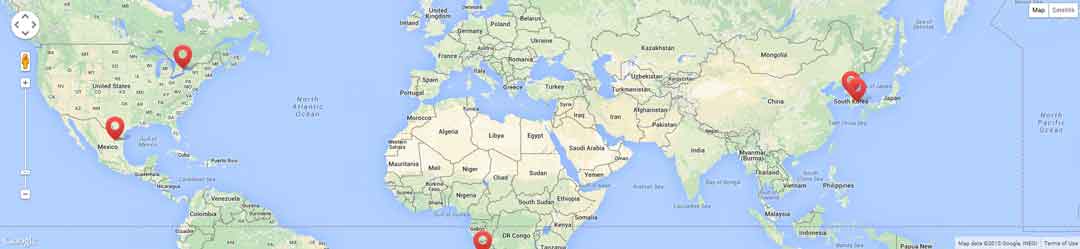
It is important to point out that, although I was the team member who first proposed the “Meet the Team” concept and edited it, this effort would never have succeeded if it had not been for the amazing teammates who worked on it with me: Pooneh Yazdani, Rhena Bowie, Adeel Farooq, and Peter Lawrentiw. Each one of these excellent collaborators recorded his/her own video clip and made sure that I received it so that I could get all editing completed before deadline. Another amazing aspect (which is actually listed under Key Competency 6) is the fact that we were all able to work effectively together even though we were from vastly divergent parts of the world:
Video #2
Audio Reflection: Resources Used for the Above Videos (54 seconds)
Interactive Formative Quiz Video with Feedback
Course: ETEC 530 - Constructivist Strategies for E-learning
A Reflection and a Warning
First, here is a quick audio reflection (2:20):
Now, here is the warning:
Clicking on following image will actually take you off this site and bring you to the eduCanon website. This is only because eduCanon has still not figured out how to make their embedding code responsive (mobile friendly). They said they were working on it over a year ago, but nothing has changed. Because one of this ePortfolio’s top priorities is to be mobile friendly, the only way to provide you with a responsive interactive video is by using the eduCanon link (not embed code) which forces you off this site. However, feel free to either complete the formative quiz and be taken back to this site automatically or just use your “Back” button to return to this ePortfolio.
Feedback Video for 'What Do YOU Know about Online Privacy?' (tap/click to view)
To gain some additional insight about online privacy, please watch the feedback video below. When doing so, please try to remember what your original answer was and reflect on what you hear in the feedback so you can better understand the realities of online privacy.
When you build your blog, it will be “out there” and live on the internet, so it is extremely important for you to remember and respect those realities.
Tap or click here to check out the references for the above artifact and reflection.
References
Digital Story about Memes and Internet Memes
Course: ETEC 565A - Learning Technologies Selection: Design and Application
The Digital Story Assignment: Lessons Learned in and Beyond ETEC565A
The rather long title is necessary because there are a couple of very long stories behind the digital story, as briefly highlighted in the audio reflection:
Reflection #1: Here is the original reflection about the near destruction of "My Meme Story," as embedded from my UBC blog:
Reflection #2: This is a detailed description of how a fraudulent "artist" filed a false copyright claim on YouTube.
References
Tap or click here to check out the references for "My Meme Story."
References
Animated Video for Online Presentation
Course: ETEC 512 - Applications of Learning Theories to Instruction (core)
Audio Overview
Context: This short animation was created by a first-time animator (me) on PowToon. The reflection is in the toggle below.
Reflections on Making a PowToon Animation
Our three person team worked well on this project, with each of us using his/her greatest strengths to contribute to the effort. My best contributions were in the technical realm: looking after the web design, producing some videos, and creating this PowToon animation.
I had seen them on other teachers’ presentation sites and really liked the pen-writing effects and hand transitions, so I decided to learn how to make a PowToon animation for our Vygotsky presentation. The learning curve wasn’t bad at all–slightly easier than most other cloud apps!
However, I was disappointed by two things: the price for a premium account is far too high and, in a later incident (while trying to make a similar animation for another ETEC course), the site didn’t automatically save my work and I ended up losing everything after spending a lot of time working on the new animation.
Despite those concerns, I still think animation is an excellent way to engage the audience without overwhelming them with too much “up close and personal” content that is often found in podcasts and vodcasts. Of course, one should always consider the demographics of the audience first–then decide on whether to use animation, live video, or some other type of engaging media.
Tap or click here to check out the references for the above artifact and reflection.
References
Synchronous and Asynchronous Collaboration with Google Drive
Course: ETEC 510 - Design of Technology Supported Learning Environments (core)Reflection
As part of the Google Drive and Google+ Hangout wiki page that I authored for ETEC510, I included this video that uses a split screen to demonstrate how collaboration is such a powerful affordance in Google Drive. This video was targeted to other educators and includes a few tips on commenting and how to monitor students’ participation through the “revision history” function. Since producing this video in 2013, it is gratifying to note that Google has improved the interface and provided even more collaborative affordances.
Tap or click here to check out the references for the above artifact and reflection.
References
Google+ Hangout On Air Broadcast - 02-07-15
Course: ETEC 565M - Special Topics - Mobile & Open Education
Audio Reflection
Tap or click here to check out the references for the above artifact and reflection.
References
Real Life Examples of Linking Theory to Practice:
The following blurbs will connect you to current examples of linking theory to practice.
More About Gary
additional information about Gary’s background & current practice
Reflections on HYU Practice
ongoing initiatives to support learners and faculty at Hanyang University
Overview of Current Sites
e-learning spaces that Gary currently uses in professional practice
Links to Old Spaces
discontinued spaces that trace Gary’s online footprint back to 2001
References for Key Competency 2
Tap or click to view all the references for this Key Competency
References